
Enlightening Your Space - Exploring the World of Sensory Lights
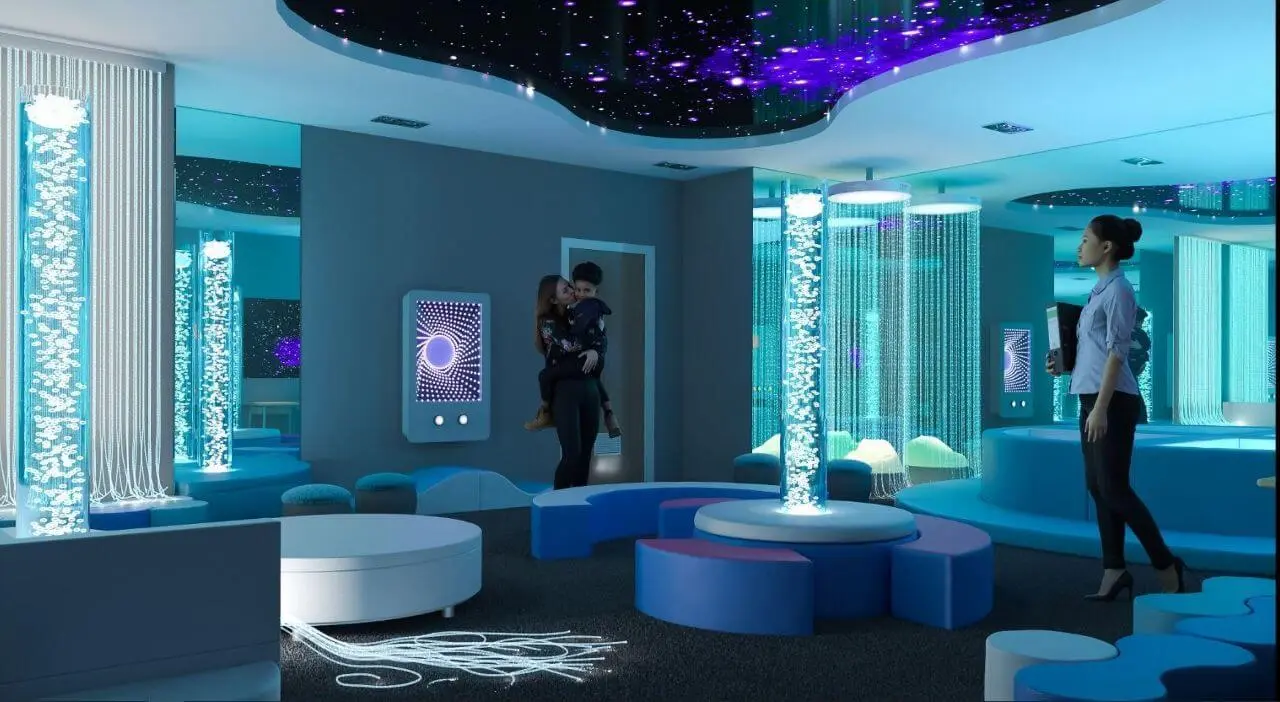
Sensory lights, also known as mood lights or therapeutic lights, have emerged as an innovative solution to enhance environments for various purposes, from relaxation to therapy. These specialized lights are designed to engage the senses and positively influence mood, behavior, and overall well-being.
What Are Sensory Lights? Sensory lights encompass a range of lighting solutions that manipulate color, intensity, and patterns to create immersive and therapeutic experiences. They often incorporate LED technology, allowing for versatile control and customization of lighting effects.
Examples of Sensory Lights:
-
Jellyfish Lamps: A jellyfish aquarium lamp is a decorative lighting fixture designed to mimic the appearance of a real jellyfish aquarium.
-
Glitter Lava Lamps: Glitter lava lamps are a modern twist on the classic lava lamp design, incorporating shimmering glitter particles into the mesmerizing lava lamp effect.
-
Fiber Optic Lights: Strands of fiber optics that emit gentle, color-changing light, suitable for sensory rooms and relaxation spaces.
-
Bubble Tubes: Vertical tubes filled with water and illuminated by LEDs, create mesmerizing bubbles and colors.
-
Bubble Walls: Bubble walls are decorative transparent acrylic panels, that are filled with water and illuminated from below, creating multiple streams of bubbles.
Who Uses Sensory Lights? Sensory lights cater to a diverse range of individuals and settings, including:
-
Therapists and Clinicians: Incorporating sensory lights into therapy sessions for individuals with sensory processing disorders, autism spectrum disorders, or mental health challenges.
-
Schools and Educational Facilities: Utilizing sensory lights in sensory rooms or calm-down corners to support students with sensory sensitivities or behavioral needs.
-
Healthcare Facilities: Enhancing patient comfort and reducing anxiety in hospitals, clinics, and long-term care facilities.
-
Home Environments: Creating soothing atmospheres for relaxation, meditation, or sensory stimulation.
Where Are Sensory Lights Used? Sensory lights find applications in various settings, including:
-
Sensory Rooms: Dedicated spaces equipped with sensory-friendly features to provide a therapeutic environment for individuals with sensory sensitivities.
-
Classrooms: Supporting students' emotional regulation and focus by integrating sensory lights into learning environments.
-
Retail Spaces: Enhancing customer experiences and promoting relaxation in stores, spas, and wellness centers.
-
Workplaces: Improving employee well-being and productivity by incorporating sensory lighting into office environments.
Pain Points Addressed by Sensory Lights:
-
Sensory Overload: Individuals with sensory processing challenges often experience sensory overload in stimulating environments. Sensory lights provide a controlled sensory experience, helping to regulate sensory input.
-
Anxiety and Stress: Stressful environments can exacerbate anxiety and stress levels. Sensory lights create calming atmospheres, promoting relaxation and stress relief.
-
Behavioral Challenges: Individuals with autism spectrum disorders or other developmental disabilities may exhibit challenging behaviors in response to sensory stimuli. Sensory lights offer a non-invasive intervention to manage behaviors and support emotional regulation.
Benefits of Sensory Lights:
-
Promote Relaxation: By creating soothing environments, sensory lights facilitate relaxation and stress reduction.
-
Enhance Mood: Manipulating light colors and patterns can positively influence mood and emotional well-being.
-
Improve Focus and Attention: In educational and workplace settings, sensory lights can help individuals maintain focus and concentration.
-
Support Therapeutic Interventions: Sensory lights complement various therapeutic approaches, enhancing the effectiveness of interventions for individuals with sensory or emotional challenges.
-
Create Inclusive Environments: By accommodating diverse sensory needs, sensory lights contribute to the creation of inclusive spaces where individuals of all abilities can thrive.
In conclusion, sensory lights represent a versatile and effective tool for enhancing environments, promoting well-being, and supporting individuals with sensory sensitivities or emotional challenges. Whether used in therapy sessions, educational settings, healthcare facilities, or personal spaces, sensory lights illuminate a path toward greater comfort, relaxation, and sensory engagement.