
Essential Must-Haves for Your Sensory Room
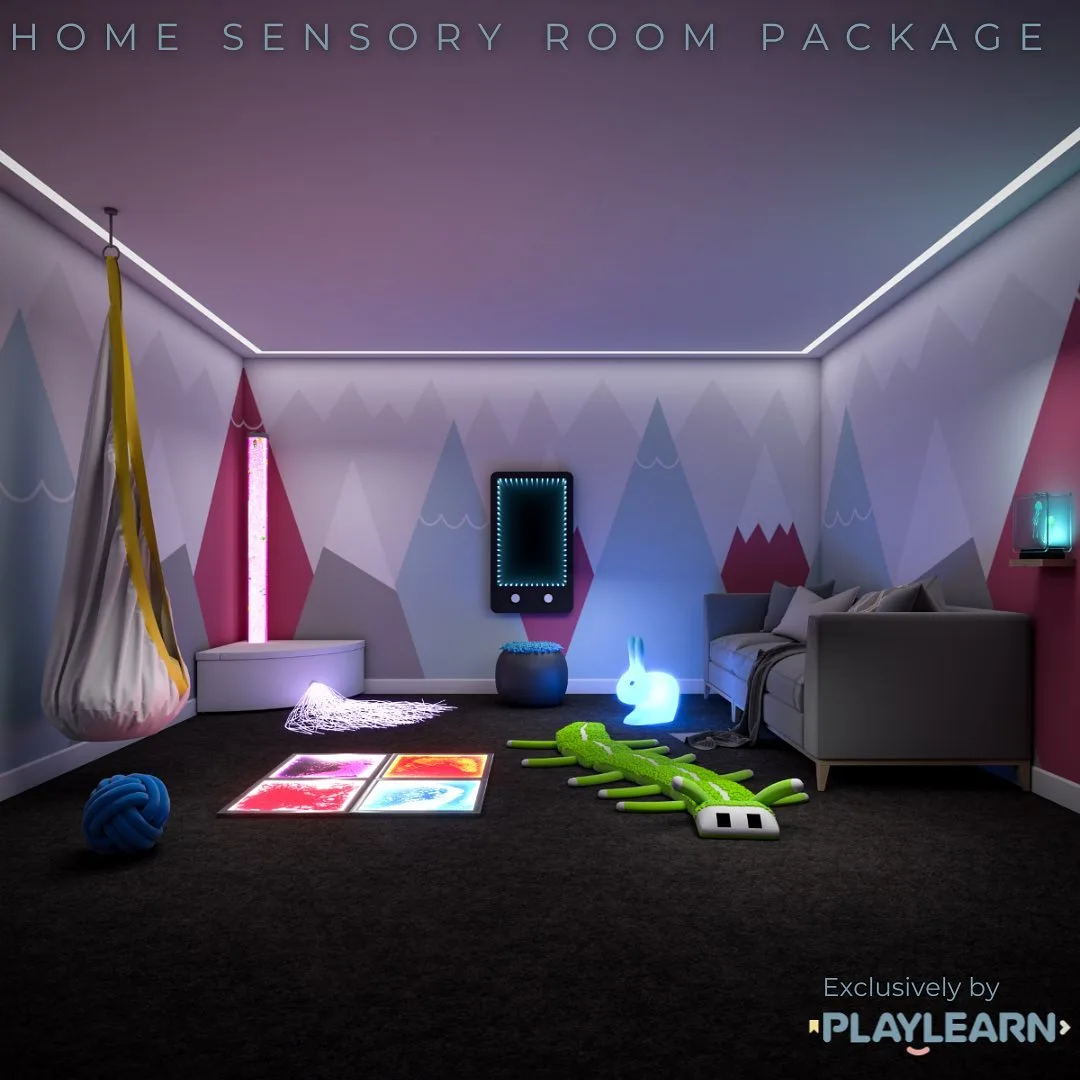
Creating a sensory room involves carefully selecting equipment and toys that cater to a variety of sensory needs and preferences. Here are some basic items to consider when outfitting a sensory room:
-
Soft Play Equipment: Soft play equipment such as mats, crash pads, and cushions provide a safe and comfortable environment for users to relax, explore, and engage in sensory activities.
-
Swings and Hammocks: Swings and hammocks offer vestibular input and proprioceptive feedback, promoting balance, coordination, and calming effects.
-
Bubble Tubes or Bubble Walls: Bubble tubes or walls filled with water and illuminated by LEDs provide visual stimulation and relaxation. The gentle motion of the bubbles can help soothe and calm individuals.
-
Lighting Effects: Incorporate various lighting effects such as color-changing LED lights or fiber optic strands to create a visually stimulating and immersive environment.
-
Tactile Toys and Textures: Include a variety of tactile toys and textures such as sensory balls, textured mats, squishy toys, and tactile boards to encourage exploration and tactile stimulation.
-
Weighted Blankets or Vests: Weighted blankets or vests provide deep pressure input, promoting relaxation and calming effects for individuals with sensory processing difficulties.
-
Sensory Integration Equipment: Invest in equipment that supports sensory integration activities such as balance boards, therapy balls, and coordination tools like tunnels or balance beams.
-
Interactive Panels: Install interactive panels or games that engage users in sensory-rich activities, such as light-up touch panels, interactive floor projectors, or sensory boards with buttons, switches, and sliders.
-
Visual Timers and Calming Tools: Use ooze tubes and glitter wands to help individuals manage transitions and activities within the sensory room.
When selecting equipment and toys for a sensory room, it's essential to consider the specific sensory needs and preferences of the individuals who will be using the space. Additionally, regularly assess and adjust the items in the room to ensure they continue to meet the evolving needs of users and provide a beneficial sensory experience.