
Help Your Child Develop Sensory and Motor Skills At The Right Time
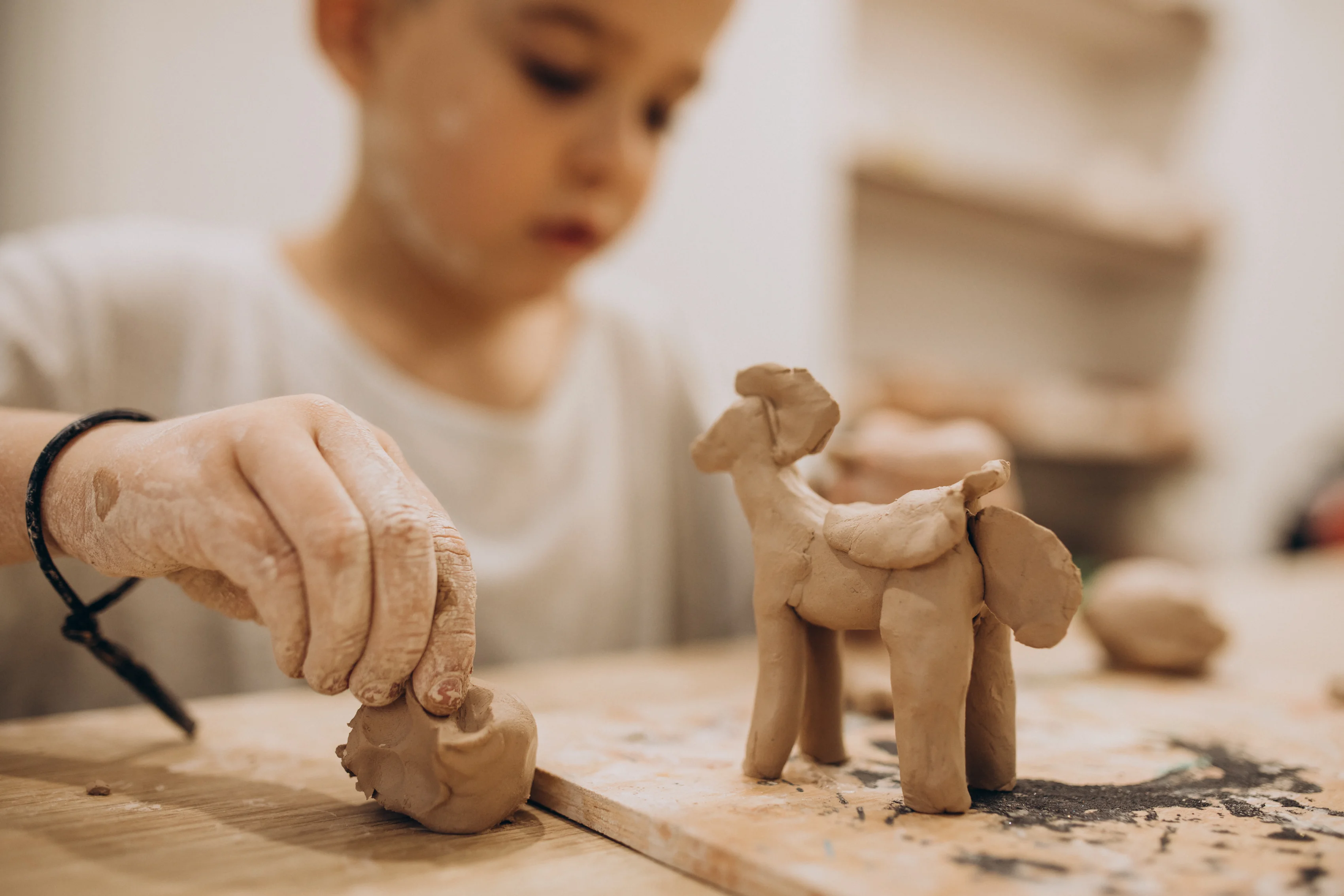
On average, children start developing motor skills from the age of 6 months, and they begin to grab objects and try to move things with their fingers. Then, between 10-15 weeks, infants are ready for vertical exploration. However, their sensory and motor skills develop at different rates and at various times in children. As a result, some struggle to acquire these skills and have difficulties mastering essential skills, which is why including sensory play in their schedule is vital. But first, let us learn about them in detail.
Motor Skills
Fine motor skills are often neglected due to their nascence with other 'bigger' muscles like the trunk and hip extension ambulation. Yet, these skills are essential in acquiring functional motor performance, especially for children who have to use their hands for crucial functions. The body's fine motor skills are two-tendril muscle movements that can accomplish most joint actions, such as gripping and stabilizing. They will educate infants on how to move and regulate their bodies effectively. They can also pick up, browse through, and cut paper with scissors between their thumb and index finger, among other physical skills.
Activities that can be carried out to develop motor skills in kids
Try these fun activities if your child's fine motor skills need extra help. Painting - It strengthens hand-eye coordination Alphabet games to make kids learn colors and alphabets Planting - it enhances gross motor skills Quick games with building blocks Playing with water or swimming Yoga and dancing - it helps kids know how much control they have over their body
Sensory Skills
Sensory skills are inborn and are developed in infants through interactions with their senses. They are the first introduced to a piece of sensory information, which kids naturally convert that information into more detailed memories like habits or muscle memories and eventually motor actions. Sensory skills provide a child with many benefits, such as increased self-regulation skills and a greater sense of ownership of their body. Allowing for deeper exploration and strengthening the foundation of many other skills in the process A sensory experience from puffs is very important when teaching children about eating. However, teachers should take into account taste and texture that goes beyond just visual ingestion. Vibrant, colorful items not only make us feel good, but they also teach children about objects around them and work on their physical development.
Activities that can be carried out to develop sensory skills in kids
-
Playing with dough and putty - is regarded as heavy work. The play clay allows youngsters to squeeze, stretch, pinch, and roll.
-
Using balance beams
-
Primary colors and squishy bags activity lets kids know how colors can be mixed and form another color. It is a beautiful thing to watch.
-
Kinetic sand or sand foam- Sand is a great sensory toy that enhances the sense of touch and texture.
-
Digging noodle worm - This exciting yet messy activity will make kids dig slippery yet delicate noodles with tweezers and put them into a jar.
-
Sensory table fillers such as colored rice, colored pasta, water, and ice.
Conclusion
Many parents often struggle with the idea of how to stimulate their children when they show interest in one thing yet want to try another. Adding an appropriate type of toy or game for your child's sensory and motor skill-building program will likely depend on their developmental stage and the developmental skills they'll be strengthening. It's essential to be aware of what type of toy or game works best for a child based on their developmental phase (from 0 to 3) and the skill they're developing. Check out the website and learn how many activities you can introduce at home and engage your kids with our sensory toys - https://www.playlearn.com/