
How Sensory Toys Can Benefit Children With Autism
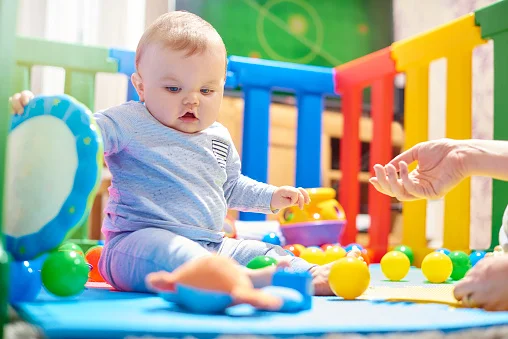
Autism affects a child’s mental and physical health in many ways. It impacts a child’s nervous system, growth, and development. Children with Autism Spectrum Disorder (ASD) face issues in communicating and dealing with social interactions. They display signs such as resistance to cuddling and holding, preferring to play alone, withdrawal, and so on.
Due to a wide range of symptoms, from moderate to severe, many children with ASD find it difficult to go to school or deal with certain everyday situations. Further, they often experience sensory issues. There are times when parents, teachers, and other caregivers find it difficult to understand their children or find ways to help them cope better.
Sensory toys for autism can have an enormous impact on the development and functioning of children with ASD. Sensory toys may be considered simply an enjoyable activity for children who don't have autism. However, for those who do, sensory activities for autism and toys for sensory disorders (like tumbling mats, puzzles, and magnetic shapes) provide many benefits that contribute to their cognitive and social development. Sensory therapy for autism can address their sensory needs, which are sometimes unmet in their environment otherwise.
How sensory toys for autism help
Children with autism can experience sensitivity to several sensory stimuli, including sight, sounds, touch, and even particular textures in surfaces, clothing, certain objects, and food. When you incorporate sensory activities for autism into their everyday life, they have more opportunities to explore the world around them.
Sensory toys for autism can help autistic children in a variety of ways, and caregivers can include them in the child's daily routine. Toys for sensory disorders help to stimulate a child’s five senses, body awareness, and sense of balance. Through sensory therapy for autism, their interaction with the world around them improves. More importantly, autism sensory products also cater to their heightened need for different sensory stimuli. For instance, Playlearn’s Blackout Sensory Tent, which is one of the best autistic toys, is a comfortable spot for a child to spend hours without disturbance. It blocks out light and has the space to include light up and glow objects and other toys the child loves. It can provide a perfect sensory-rich environment.
Sensory toys for autism are a great medium to help children learn gross and fine motor skills. Further, they provide them with the sensations they need safely. This frees them from constantly seeking the sensations they need and allows them to focus on their tasks. A child who is uncomfortable with touch or hugging may instead be okay with snuggling with a snuggle pillow and cozying up in a pod.
The Hugging Peapod and Sensory Vibrating Pillow by Playlearn are examples of such sensory toys for autism. The peapod’s deep pressure brings a sense of calm and security, much like getting a comforting hug. It is perfect for fidgety children who can’t sit still to study, read or relax. On the other hand, the vibrating pillow is something that a child can cuddle up with and get ample sensory input from.
When buying autism sensory products, it is important to remember that the needs of each child are different. Parents of autistic children can start by buying small items in the beginning. Preferably go for items that are soothing colors and made from soft materials. You can start with toys for sensory disorders, such as squeezable or weighted toys, pillows, fidget toys, and putty. They are some of the best autistic toys. Children with ASD love routines and structures; they can function well in that framework. They like predictability. With the help of sensory toys for autism, they are able to receive a predictable form of stimulation as often as they need. This gives them the option to choose when and how they need the stimulation. Hyperactive and anxious children like the comfort of deep pressure on their bodies. Playlearn’s Adjustable Weighted Vest by VEMA and VEMA Weighted Lap Pad help children calm down and can be very regulating too.
When children involve themselves in sensory play, their brain has something to give their attention to. Better self-regulation and improved attention span can be noticed among children who play with toys for sensory disorders. It also gives them tactile and proprioceptive stimulation. Improved fine and gross motor skills and activating muscular strength are some more benefits of sensory toys for autism.
Introducing sensory toys at an early age can amplify the benefits for children with ASD. Not only does it improve their social skills, but it also invites a sense of empathy as well as problem-solving. It contributes to their emotional stability. For these and many more reasons, a child’s intrinsic need to engage in sensory play must be nurtured and supported at home, school, and other environments, which are a big part of the child’s life.