
How to Create a Sensory Room for Your Autistic Child?
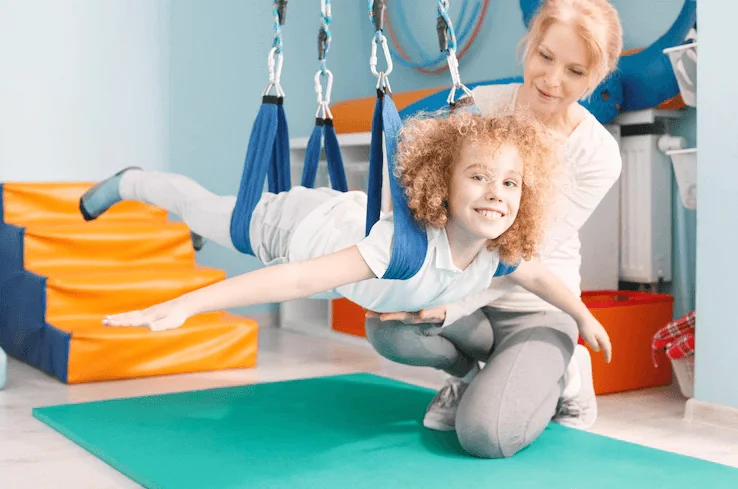
Children with autism generally feel disconnected from their bodies and need some external sensation to feel more oriented. A sensory-friendly environment can help them calm down and stimulate their sensory organs.
Many people design a sensory-friendly room for their kids to provide a comfortable environment that addresses their needs, but it might cost them a fortune.
In this blog, you’ll figure out how to create an equally good sensory-friendly room on a minimal budget.
But before that, let’s learn something about the term sensory-friendly.
What is sensory-friendly?
The term "sensory-friendly" is normally used to describe an atmosphere where children may get the sensory stimulation and relaxation they need to self-activate and unwind.
Places like schools, airports, parks, shopping malls, and even their own houses could serve as sensory-friendly locations. Items constructed of specific textiles or illuminated more gently may likewise fall under the "sensory-friendly" umbrella.
How to Create a Sensory Room?
It's not uncommon for children to be unable to recognize and address their personal triggers and sensory needs. When this occurs, parents and teachers must step in and provide guidance, referred to as "co-regulation."
You need to make sure you know the kid's needs and get the right mix of sensory needs, as there is no such thing as a one-size-fits-all when it comes to creating a sensory room. Pin down your child's particular sensory needs and focus your design efforts on providing them with those kinds of experiences.
Sensory items to be included in a sensory room
Vestibular
Swings should be included in sensory spaces and therapies because they are relaxing and repetitious, give a sense of cocooning, help to strengthen core strength and provide vestibular input.
If installing a swing is expensive, you can get an exercise ball, a rocking chair, or a mini-trampoline for your child’s vestibular stimulation.
Sensory-motor (Orientation of the Body in Space)
Physical sensations can help children with autism regain their sense of self-awareness when they are feeling disoriented or uncoordinated. Mini-trampolines, squeeze toys, workout balls, weighted vests, and blankets can all aid in this effort.
Avoid "therapeutic" items to save money; a regular exercise ball will do.
Lighting
When children are kept in a setting with a calming light, they find it easier to relax. It has a subtle effect on us and has the ability to alter our moods. This does not necessitate the installation of high-tech lighting systems. If you don't have any of these, you can use a battery-operated lava lamp, glow sticks, or net lights.
For example, cool-toned fluorescent overhead lighting can make us uneasy. We can all benefit from a sense of calm that comes from dim, warm lighting. Using lights to create a calming and cozy atmosphere is a good idea.
Aural
Soothing noises can be a great way to unwind for some people with autism. You might want to think about putting in some audio equipment in your home. You can use CDs, white-noise machines, bells, or natural sounds as options. If the loudness is bothersome to others in the household, wear headphones.
Olfactory
People on the autistic spectrum tend to be very sensitive to the smell of things. Aside from the unpleasantness of being compelled to engage with farm animals, strong smells can be a major turn-off.
Some fragrances, on the other hand, can be tranquil and restful. You may want to try aromatherapy on your child to see if it helps.
Strain
Deep pressure can be alleviated by creating a "snuggle place" in a play tent or even an inflatable kiddie pool filled with blankets and cuddly toys. It's okay for your toddler to get stuck in all the muck! Rolling your child up in a blanket (like a burrito) or allowing them to burrow under large comforters and blankets are two other options.
How to make the best use of your sensory-friendly space?
Utilize the sensory room at your place in multiple ways. As an illustration:
-
Together, you can improve your child's social and communication abilities while also establishing a stronger bond between you two.
-
Whenever they feel upset or anxious, teach your youngster to retreat to this special place.
-
Reward good performance on a less-preferred task, such as sampling new foods, with time in the space.
-
Consult with your kid's therapists to get ideas for sensory experiences or resources that can help your child learn to relax in their own time.
A word from PlayLearn
We're well aware that putting together a sensory room can be daunting. If you're looking for a sensory room for an autistic child but don't have the money or the space, we have a wide variety of products to select from. Therapists and designers from our team work together to help you achieve your goals. We provide you with clear examples and information on how to operate, maintain, train, and assess your equipment safely.