
Improving Emotional Expression
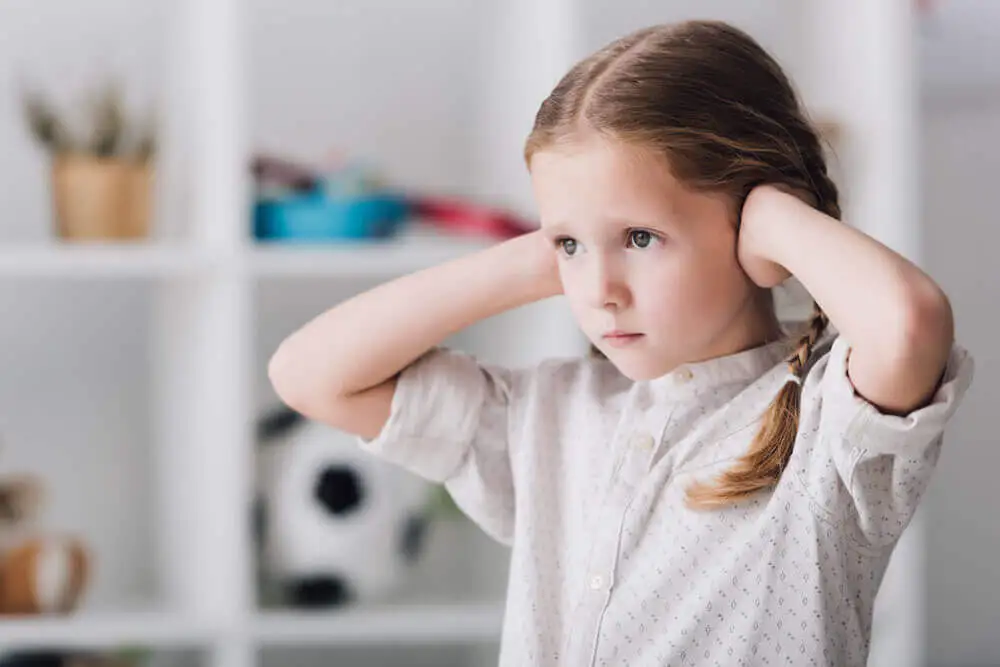
Children with disabilities have many barriers to self expression, some more obvious than others; some children may exhibit limited language, limited hearing or limited eye contact. When looking at communication, any difficulties a child is having might make sense if one or more of the above symptoms is present, however I frequently encounter families who tell me their children with no obvious communication barriers are having emotional outbursts, difficulty making friendships and difficulty with self expression. When meeting these children and families I often find a communication impairment in the area of emotional intelligence. When I explore a child’s knowledge of feelings and emotions I often find children struggle to identify emotions beyond happy sad or mad. They often describe their emotions as “good” or “bad”. This difficulty with identifying and expressing emotions can lead to a breakdown in their ability to express how they are feeling which can result in a “meltdown” at home or school. In my practice I strive to take a family centered approach to tackle these lapses in emotional language and expression and am excited to share some of my approaches with you today.
Why is there a deficit in emotional expression?
In today’s society there is a large shift in family dynamics that can be attributed to many things, higher cost of living which lends to two parents working outside the home, increased busyness in a families schedule, children going from one activity to the next each day of the week and an increase in technology use in the home. The way our families lead their daily lives does not lend to face to face interactions and down time in the comfort of our own homes. A child may have limited modeling of appropriate emotional expression due to not being home often or engaging in too much screen time. It is very rare for families to eat dinner together at night. This shift in our culture can be blamed and pushed back against, but it would be more helpful to families to incorporate techniques into how their lives actually are to increase children’s emotional thinking and language and to model appropriate expression of feelings.
What can be done?
I like to encourage families to increase their use of emotional language and the amount of self expression displayed in their homes. It is unrealistic to expect families to change their entire way of life, although a slower pace may help some children with severe emotional regulation difficulties, however talking about feelings can be done anywhere and any time. I encourage parents to utilize time in the car, time before bed or when getting ready for school in the morning to add the following practices into their daily routine.
Ideas for families:
Daily check-in: This is a simple exercise where you have the child and every family member present share how their day is on a scale of 1 through 10. I like to say that 1 is a really bummer day, 10 is the best day ever and 5 is somewhere in the middle, not so bad but not so great. Then each family member shares why their day is whichever number and it is asked if anything can be done to help the person that day. For example, Billy may share that his day is a 5 because he is doing fine but needs to do some hard homework and he would like some help with it. Mom might share that her day is a 3 because she is feeling sick and she needs help from everyone in the family to pick up their things that night to help clean the house up before bed.
Highs and lows: This is another daily reflection exercise that the whole family can participate in. If the family eats dinner together at the table this can be done to refrain from use of technology at the table. Each family member states the high point of their day and the low point of their day. A high is something great that happened and a low is something sad or bad that happened.
Thinking about feeling words: Many times parents don’t want to share their feelings with their children in an attempt to guard them from unpleasantness or adult problems, however I generally suggest the opposite to families. I think it is important for children to see that mom and dad and aunts and grandparents all have a wide range of emotions and that all feelings are ok. For example, if a child sees that Dad is angry about something at work it can be explained that Dad is frustrated. In terms familiar to a child, you can explain that sometimes things don’t go how we want and ask how they think it would make them feel. It is important to model successful navigation through different emotions if we expect our children to be able to do so, they learn by observing us.
Using our environment to explore emotions: This over explaining emotions can be done with books, people in public, stories that your children tell you from school, the list goes on and on. If we want our children to have the words to express themselves we need to teach them that there are many different emotions and what they are. When reading to a child you can point out a character and ask how they think the character feels in the scenario. Then come up with other words for how they might feel that mean the same thing. Feelings are more than just happy and sad!
Practice self regulation techniques: Help children find ways to navigate their emotions successfully. A lot of times emotional outbursts happen when a child goes from everything is going well to a sudden change or unexpected situation. The child may all of a sudden feel an emotion they do not understand such as disappointment, excitement, frustration or embarrassment and be unable to identify the change. To help a child navigate their change in emotions I recommend encouraging children to take a deep breath, count to ten or sit quietly with deep pressure to calm their sensory system. Then follow up with the child to identify what happened and what emotion they were feeling and come up with a plan for how they can navigate it more successfully in the future.
I hope these tips are practical and accessible to families seeking emotional peace and happiness in their homes. Talking and thinking about feelings makes them a part of everyday life and children can successfully navigate their emotions the more they know and understand them.