
Sensory Swings - What You Need to Know
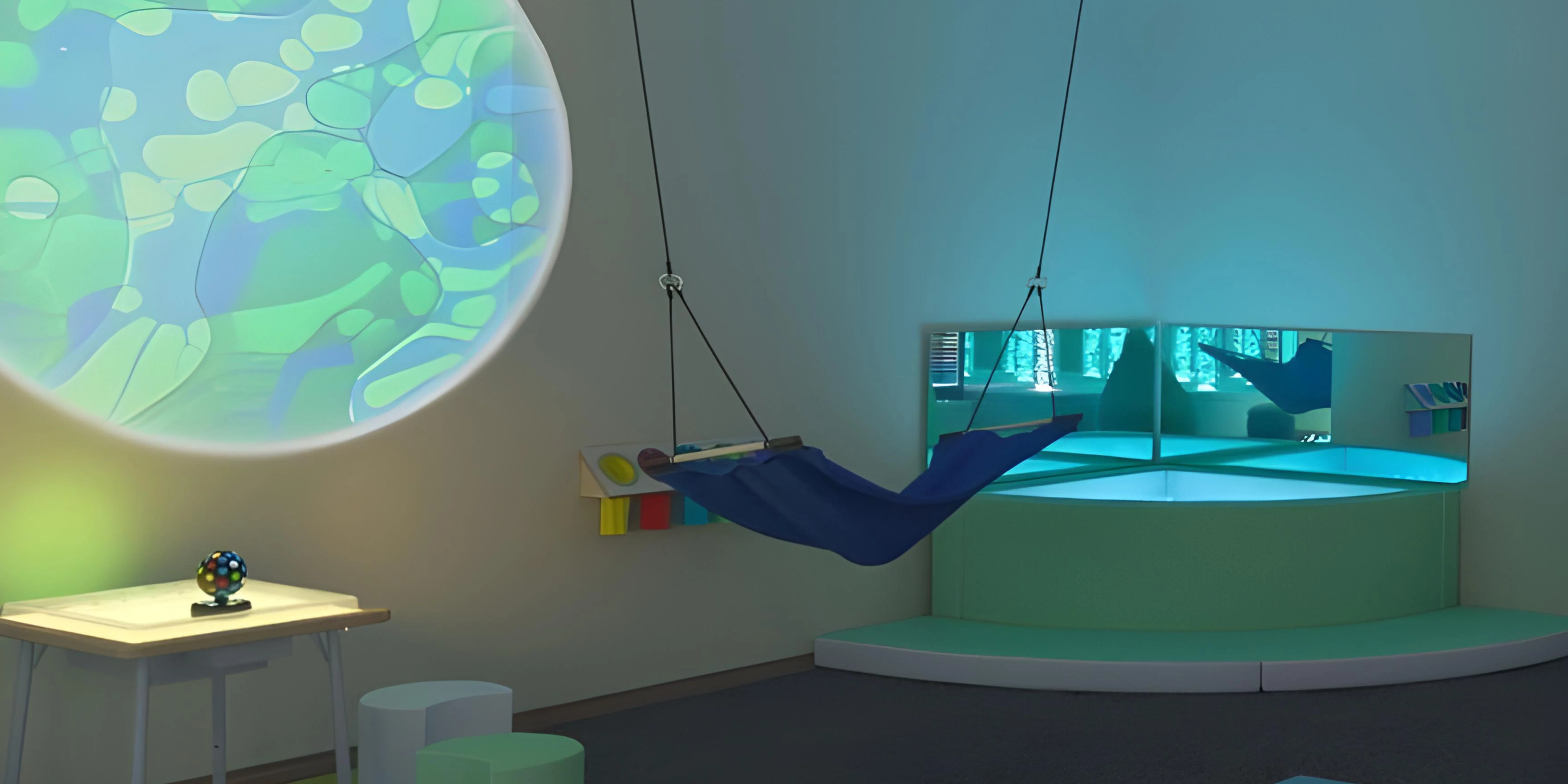
Introduction: Sensory swings are specialized swings designed to provide sensory stimulation and therapeutic benefits for individuals of all ages and abilities. These swings offer a unique sensory experience by incorporating movement, proprioceptive input, and vestibular stimulation, making them valuable tools for promoting relaxation, sensory integration, and emotional regulation.
What Are Sensory Swings? Sensory swings come in various designs, but they typically consist of a suspended fabric or platform that users can sit or lie on while engaging in swinging motions. These swings are often suspended from sturdy ceiling mounts or freestanding frames and may feature adjustable straps or harnesses for added safety and support.
Examples of Sensory Swings:
1. Hammock Swings: Fabric hammock-style swings that envelop the user, providing a cocoon-like sensation and gentle rocking motion.
2. Platform Swings: Large, flat platforms suspended by multiple points, allowing for dynamic swinging movements and accommodating multiple users at once.
3. Pod Swings: Swings are designed for close physical contact, providing deep pressure input and promoting feelings of security and comfort.
4. Bolster Swings: These swings consist of a long cylindrical bolster or bolster-shaped cushion suspended by ropes or chains from an overhead support structure, designed to provide sensory stimulation.
Who Uses Sensory Swings? Sensory swings are used by individuals across a wide range of ages and abilities, including:
· Children and adults with sensory processing disorders, autism spectrum disorders, ADHD, anxiety, or developmental disabilities.
· Occupational therapists, physical therapists, and other healthcare professionals who incorporate sensory integration techniques into therapy sessions.
· Schools, daycare centers, and recreational facilities seeking to provide inclusive and therapeutic play opportunities for children of all abilities.
Where Are Sensory Swings Used? Sensory swings can be installed in various indoor and outdoor settings, including:
· Sensory rooms and therapy clinics: Providing a dedicated space for sensory exploration, relaxation, and therapeutic interventions.
· Schools and educational settings: Supporting sensory regulation, attention, and participation in classroom activities.
· Home environments: Creating a calming and sensory-rich space for relaxation, play, and sensory integration activities.
· Parks, playgrounds, and recreational facilities: Offering inclusive play equipment that promotes sensory development, social interaction, and physical activity.
Pain Points Addressed by Sensory Swings:
1. Sensory Regulation: Sensory swings provide proprioceptive and vestibular input, helping individuals regulate sensory processing and arousal levels.
2. Anxiety and Stress: The rhythmic swinging motion of sensory swings can induce relaxation, reduce anxiety, and promote a sense of calm.
3. Social Engagement: Swinging activities encourage social interaction, cooperation, and turn-taking among users, fostering social skills and peer relationships.
4. Motor Skills Development: Swinging movements promote gross motor skills such as balance, coordination, core strength, and spatial awareness.
5. Emotional Regulation: Sensory swings offer a safe and soothing outlet for emotional expression, self-soothing, and coping with sensory overload or meltdowns.
Benefits of Sensory Swings:
1. Sensory Stimulation: Swinging activities provide sensory input that engages the vestibular, proprioceptive, and tactile systems, promoting sensory integration and body awareness.
2. Calming and Relaxation: The gentle rocking or swinging motion of sensory swings can induce a calming effect, reducing stress, anxiety, and agitation.
3. Improved Focus and Attention: Swinging activities stimulate the brain and promote alertness, enhancing attention, concentration, and participation in activities.
4. Enhanced Motor Skills: Swinging movements support the development of gross motor skills, coordination, balance, and muscle strength.
5. Inclusive Play Opportunities: Sensory swings offer inclusive play opportunities for individuals of all abilities, fostering a sense of belonging, acceptance, and empowerment.
In summary, sensory swings offer a versatile and therapeutic approach to sensory exploration, relaxation, and engagement for individuals with diverse sensory needs. Whether used in therapy sessions, educational settings, or home environments, sensory swings provide valuable benefits for physical, emotional, and sensory well-being, promoting inclusivity, empowerment, and holistic development.