
Unlocking the Power of Sensory Gyms: How They Empower Children's Development
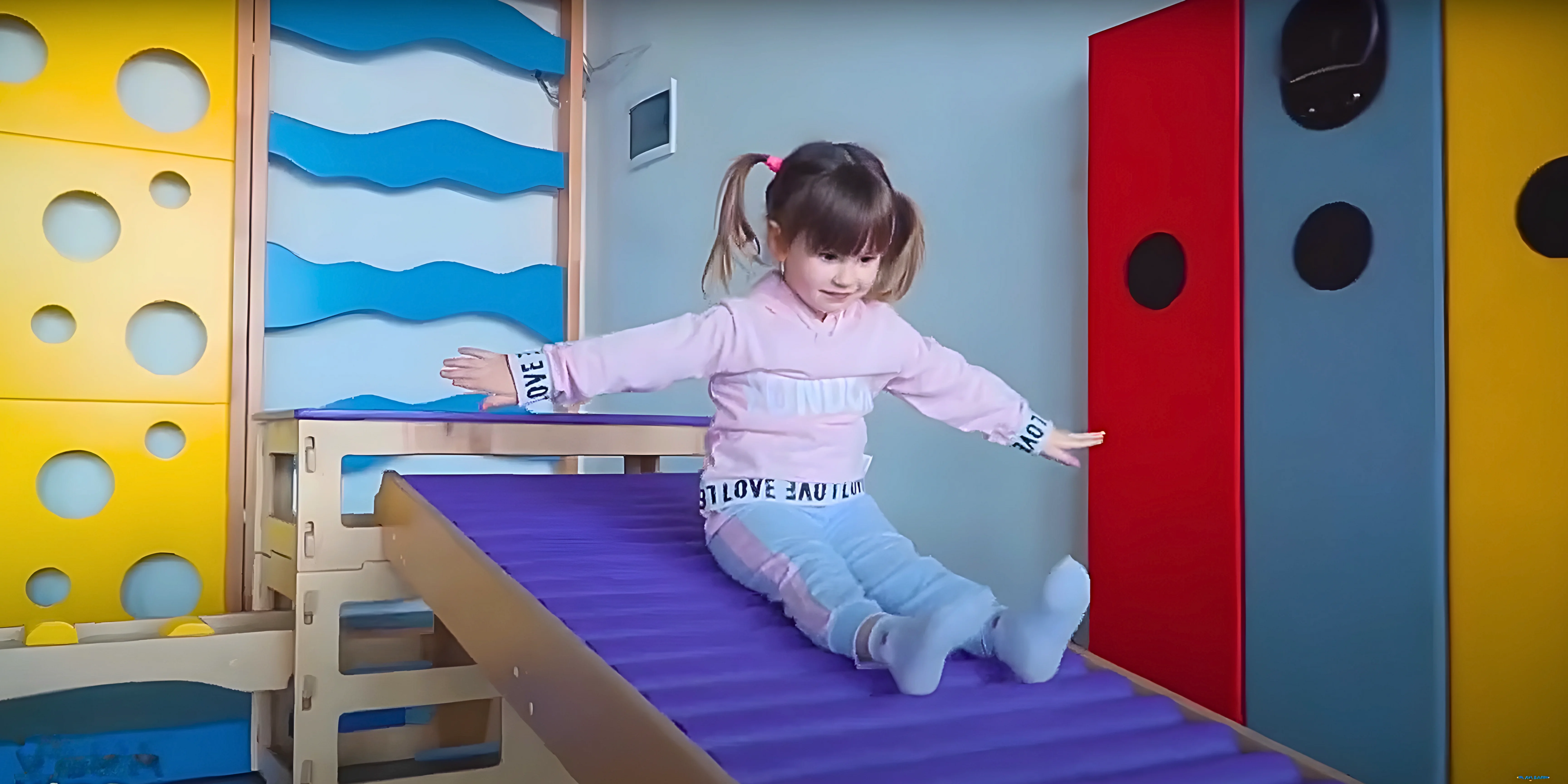
In recent years, there has been a growing recognition of the importance of sensory experiences in children's development. Sensory gyms, also known as sensory integration gyms or sensory play spaces, have emerged as innovative environments designed to provide children with a range of sensory experiences to support their physical, cognitive, and emotional development.
What exactly are sensory gyms? These are specially designed spaces equipped with a variety of equipment and materials aimed at stimulating the senses. From swings and monkey bars to tactile surfaces and colorful lights, sensory gyms offer a multi-sensory environment where children can explore, play, and learn in a safe and supportive setting.
So, how do sensory gyms help kids?
1. Sensory Stimulation: Sensory gyms provide a rich array of sensory stimuli that engage children's senses of touch, sight, sound, and movement. For children with sensory processing difficulties, such as those with autism spectrum disorder or sensory processing disorder, these environments can help them regulate their sensory experiences and improve their sensory processing skills.
2. Motor Skills Development: The equipment and activities in sensory gyms are designed to promote the development of gross motor skills (such as running, jumping, and climbing) and fine motor skills (such as grasping, manipulating objects, and hand-eye coordination). Through activities like swinging, climbing walls, and navigating jungle gyms, children can improve their strength, coordination, balance, and spatial awareness.
3. Social Interaction: Sensory gyms provide opportunities for children to interact with their peers in a supportive and inclusive environment. Whether they're taking turns on the swings, collaborating on building projects, or engaging in imaginative play, children can develop important social skills such as communication, cooperation, empathy, and problem-solving.
4. Emotional Regulation: For many children, sensory experiences can have a profound impact on their emotional state. Sensory gyms offer a safe space where children can explore and express their emotions in a controlled environment. Activities like deep pressure therapy, swinging, and climbing can help children regulate their arousal levels and reduce feelings of anxiety or stress.
5. Cognitive Development: Sensory play is inherently exploratory and encourages curiosity, creativity, and problem-solving. By engaging in sensory-rich activities, children can enhance their cognitive skills such as attention, memory, language development, and sensory discrimination.
6. Inclusive Environment: Sensory gyms are designed to be inclusive spaces that accommodate children of all abilities and sensory profiles. Whether a child has sensory processing challenges, physical disabilities, or developmental delays, sensory gyms offer adaptable equipment and activities that can be tailored to meet individual needs.
In conclusion, sensory gyms play a crucial role in supporting children's holistic development by providing rich sensory experiences that promote physical, cognitive, social, and emotional well-being. By offering a safe and stimulating environment where children can explore and engage their senses, sensory gyms empower children to learn, grow, and thrive to their fullest potential.