
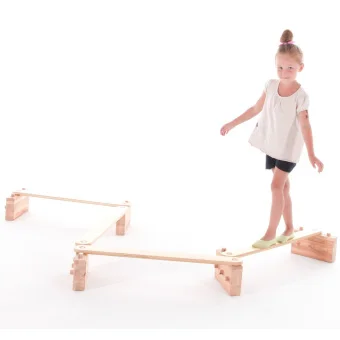
Sensory Motion Equipment

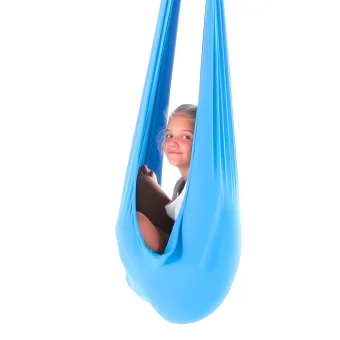
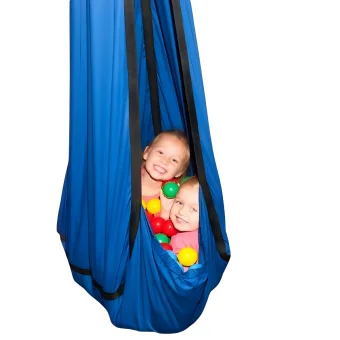
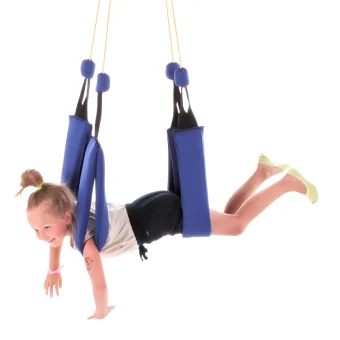
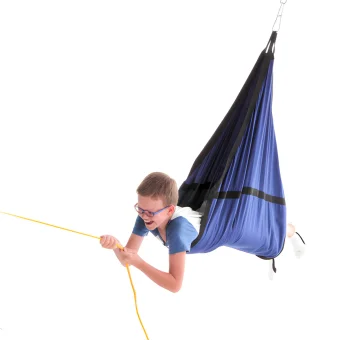
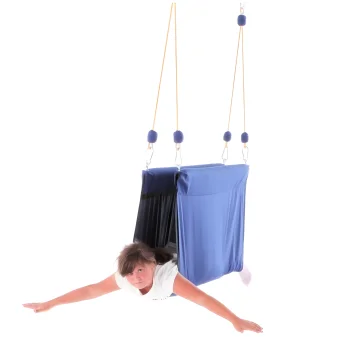
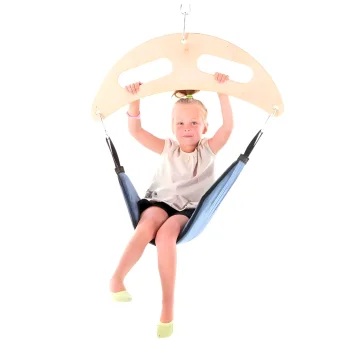
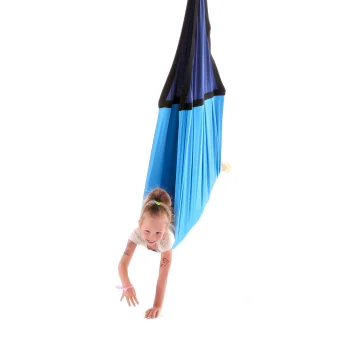
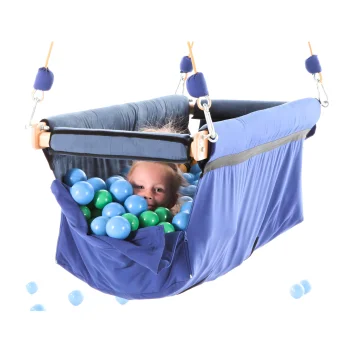
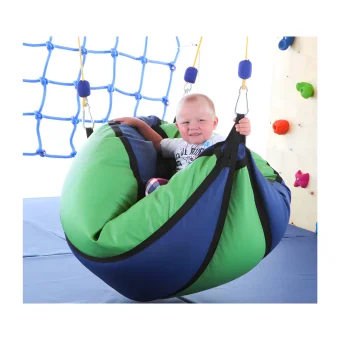
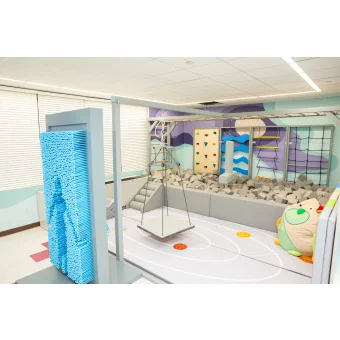
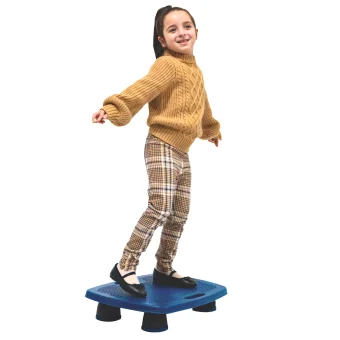
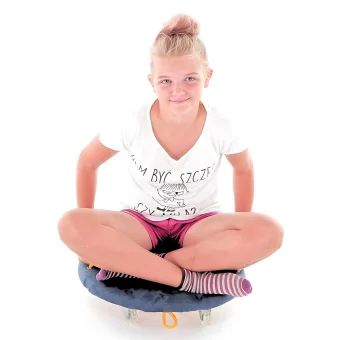
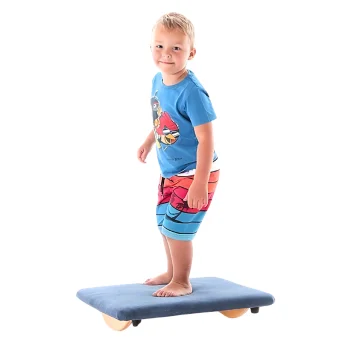
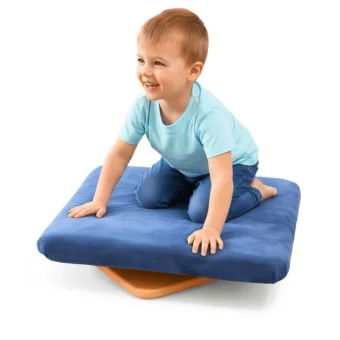
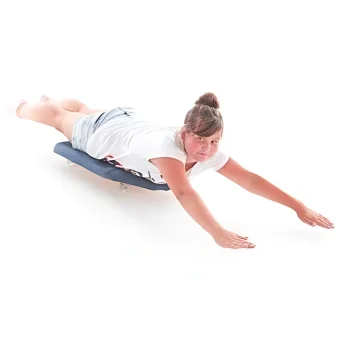
Sensory motion equipment gives kids safe, movement‑based ways to build regulation, coordination, and confidence. These tools provide predictable vestibular and proprioceptive input that helps children stay calm, focused, and ready for learning or therapy. By offering controlled opportunities for rocking, shifting, or gentle motion, sensory motion equipment supports body awareness, emotional balance, and steady engagement. It creates a fun, motivating environment where users can explore movement in a purposeful, supportive way.

57 Items

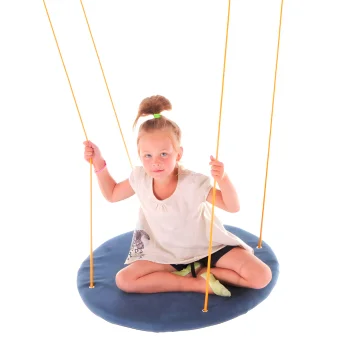
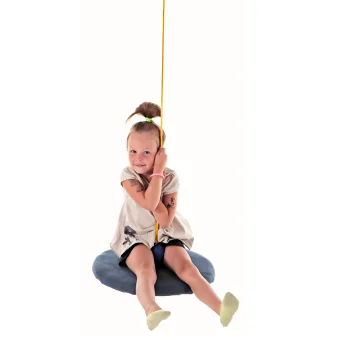
sensory swing

pod swing

sling swing

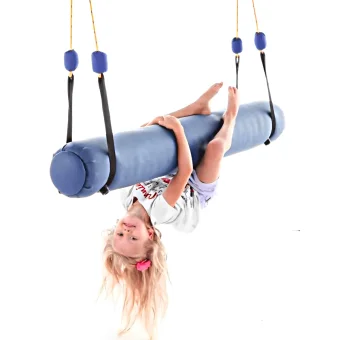
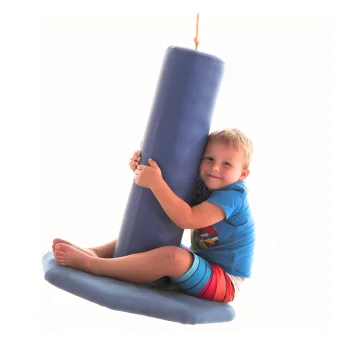
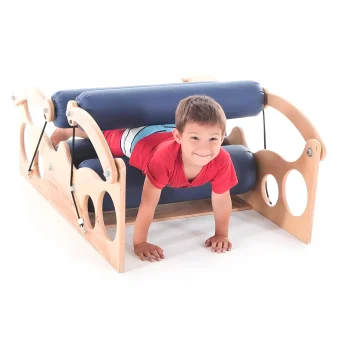
bolster swing

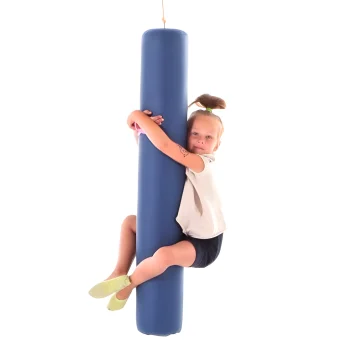
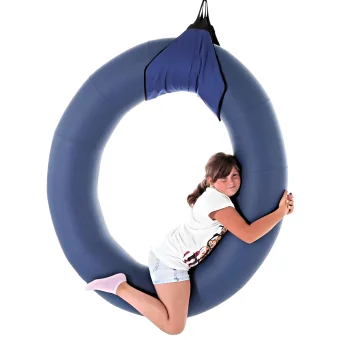
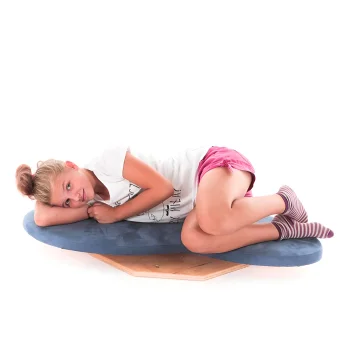
  1. Vertical Donut Bolster Swing
    Vertical Donut Bolster Swing
    $600.00
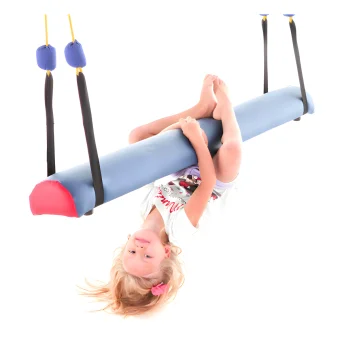
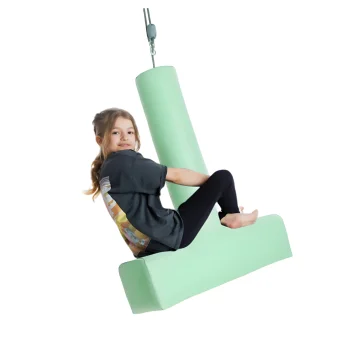
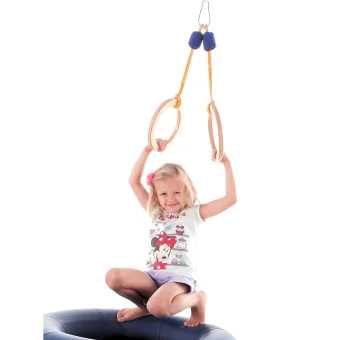
  2. Therapy T-Bar Swing
    Therapy T-Bar Swing
    $650.00

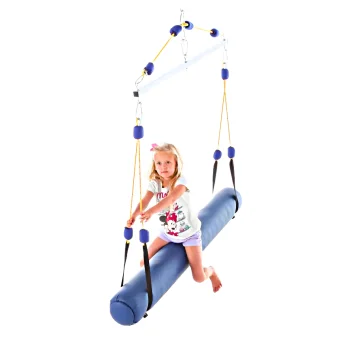
trapeze swing

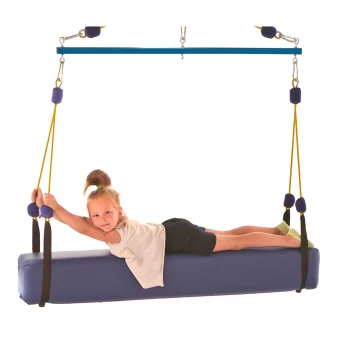
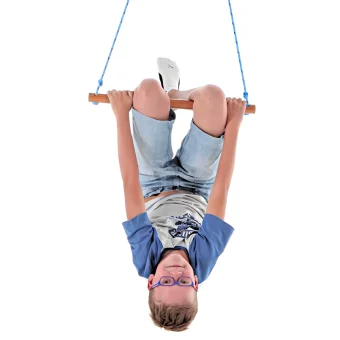
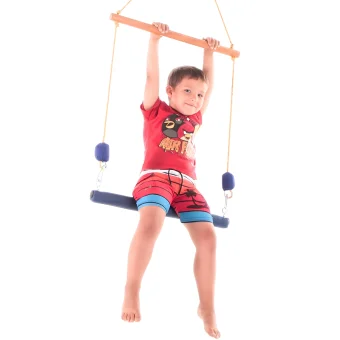
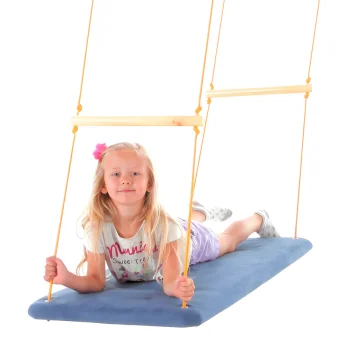
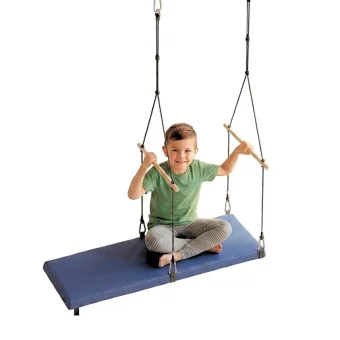
  1. Playlearn's Double Trapeze Therapy Swing for Kids | Sensory Gym Equipment
    Double Trapeze Therapy Swing
    $190.00
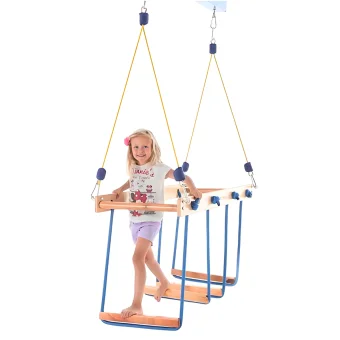
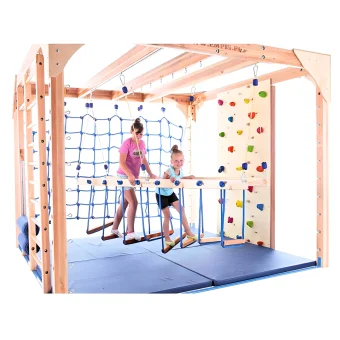
  2. Playlearn's Shaky Footbridge Swing for Indoor Sensory Therapy for Kids
    Shaky Footbridge Swing - Small
    $650.00

platform swing

disc swing

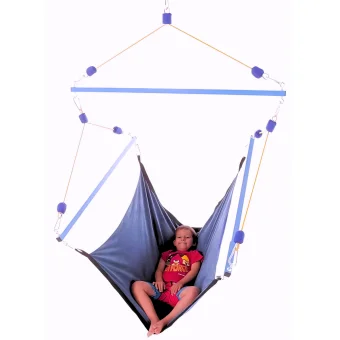
sensory hammock swing

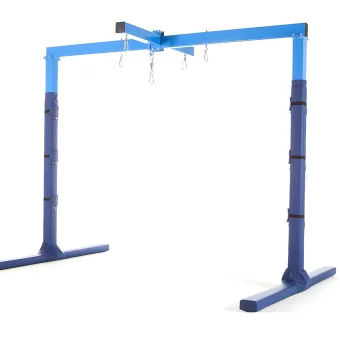
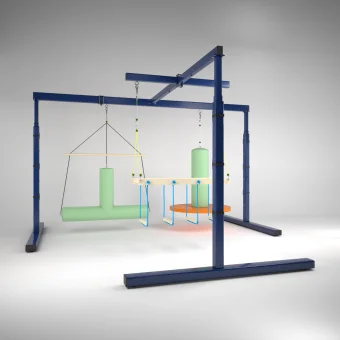
swing frame

swing accessories

squeeze machine

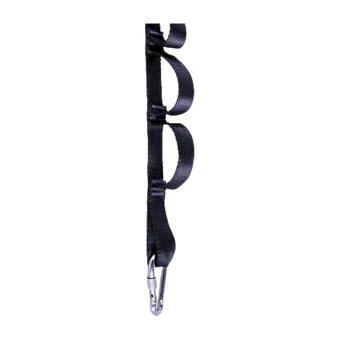
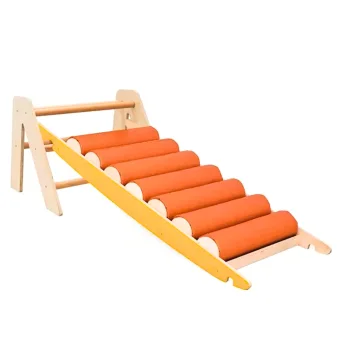
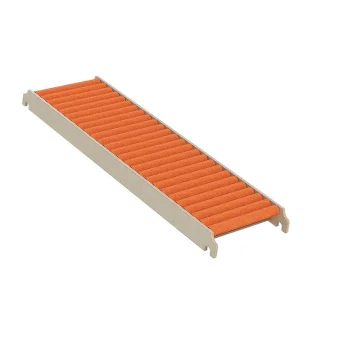
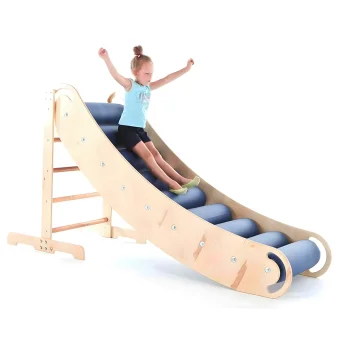
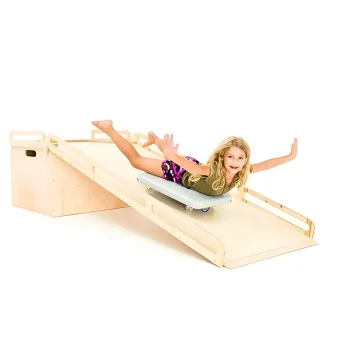
roller slide

balance toys

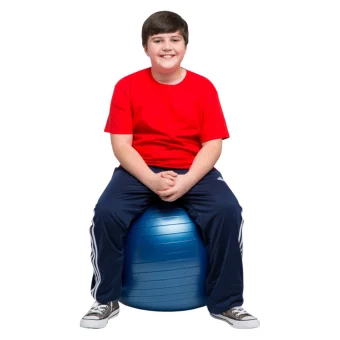
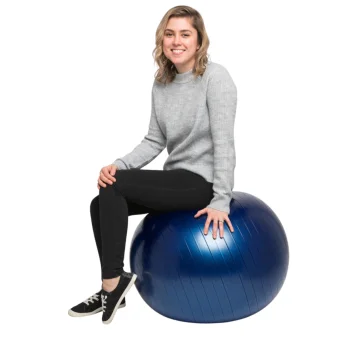
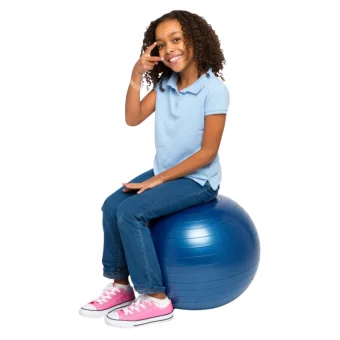
kids balance ball

  1. Playlearn's Weighted Balance Ball Seat - 22inch for Kids | Sensory Equipment
    22" Weighted Balance Ball Seat
    $26.99
  2. Playlearn's Weighted Balance Ball Seat - 26inch for Kids and Adults | Sensory Equipment
    26" Weighted Balance Ball Seat
    $29.99

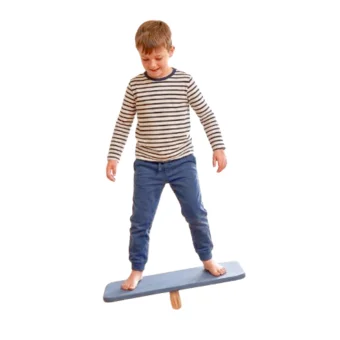
kids balance board

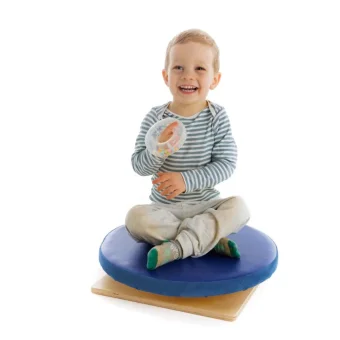
  1. Sensory Round Balance Board
    Sensory Round Balance Board
    $380.00

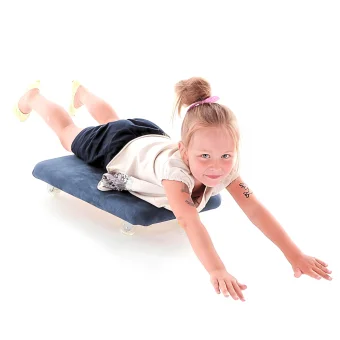
scooter board ramp

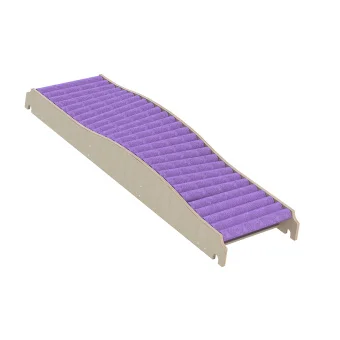
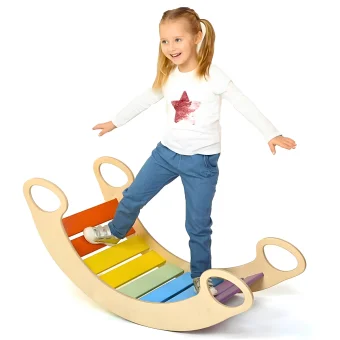
balance footbridge

per page

Why Sensory Motion Equipment?

Sensory motion equipment is specified when professionals want to incorporate purposeful movement into therapy or educational programs. These tools support active sensory input while allowing staff to guide, monitor, and adapt movement activities within predictable routines.

Playlearn offers sensory motion equipment selected for educational and therapeutic environments, with an emphasis on institutional suitability, durability, and reliable performance. Products are chosen to align with real-world supervision requirements and daily operational use.

Choosing Your Sensory Motion Equipment

  • Movement type swinging, balancing, rolling, or resistance-based input
  • User interaction level guided therapy versus independent exploration
  • Space requirements floor area, clearance, and mounting considerations
  • Integration compatibility with broader Sensory Gym Equipment layouts

Still Have Questions?

We’re here to help guide you to the right solution

Contact Us
Sensory Motion Equipment FAQ

Your questions about Sensory Motion Equipment answered here:

How is sensory motion equipment typically used in therapy gyms?

Is sensory motion equipment appropriate for school environments?

How do professionals choose between different motion-based tools?

Is Playlearn a reliable source for sensory motion equipment?