
cuddle toys

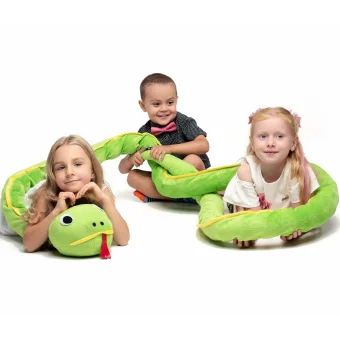
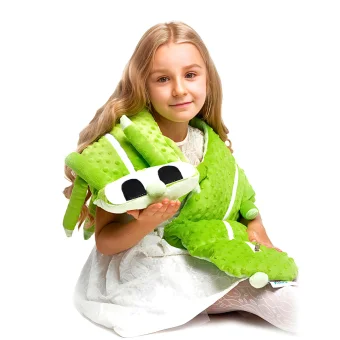
Cuddle toys provide comforting sensory input through soft textures, gentle pressure, and familiar tactile experiences. Commonly used at home, in classrooms, therapy environments, and calming spaces, they help children feel safe, regulated, and emotionally supported while encouraging relaxation, self-soothing, and sensory comfort during daily routines and challenging moments.

31 Items

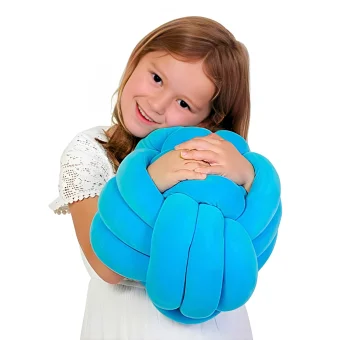
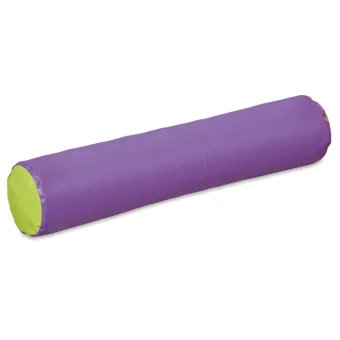
cuddle ball

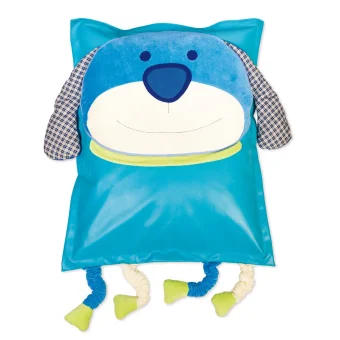
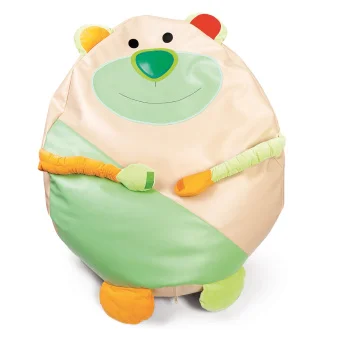
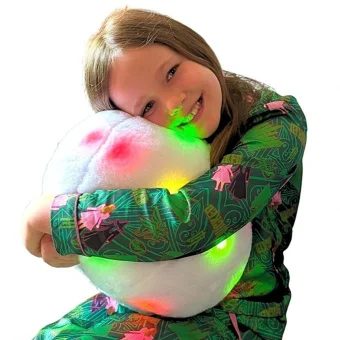
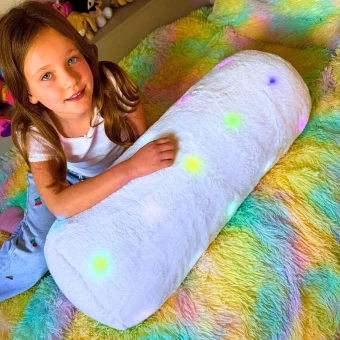
A cuddle ball offers deep‑pressure input that helps children feel secure, grounded, and more regulated during moments of stress or sensory overload. Its soft, squeezable design provides calming proprioceptive feedback that supports emotional balance and body awareness. Users can hug, squeeze, or hold the ball to reduce tension and improve focus. This tool is especially helpful for kids who benefit from steady, comforting pressure to stay engaged and participate more confidently in daily activities.
  1. Playlearn's 10
    Cuddle Ball Sensory Pillow
    $45.00

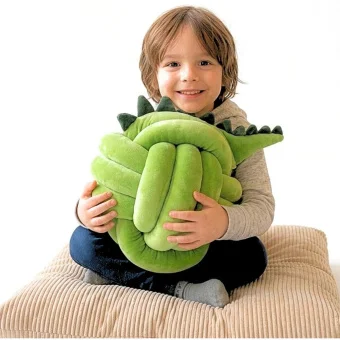
sensory pillow

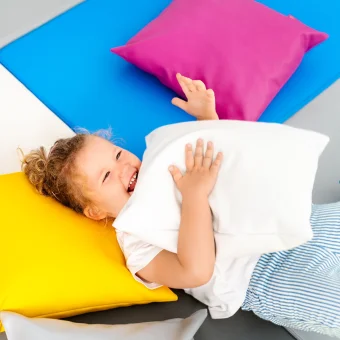
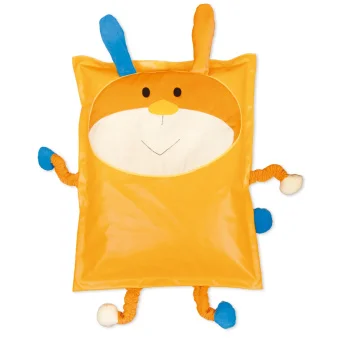
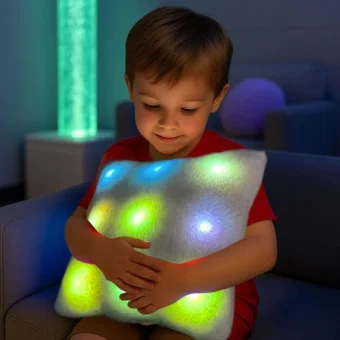
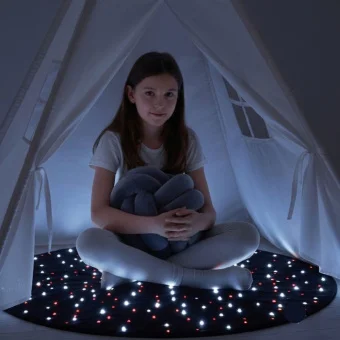
Introducing our ultra-comfortable cushions and pillows, designed with your child's comfort in mind. Crafted from premium materials, these cushions provide optimal support and softness, ensuring your little one's relaxation and well-being. Invest in their comfort and happiness with our range of cushions and pillows, the perfect solution to ease any discomfort and enhance their daily activities.
  1. Cozy Pillow Cushion
    Cozy Pillow Cushion
    $80.00

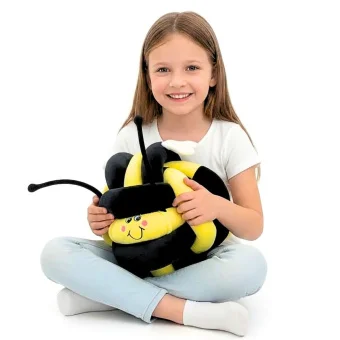
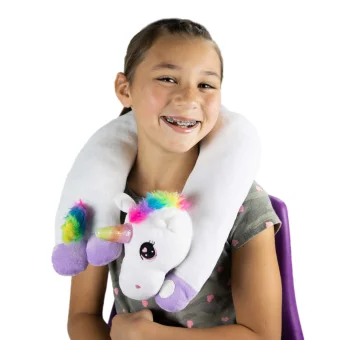
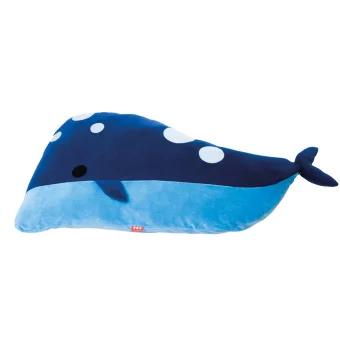
animal plush toys

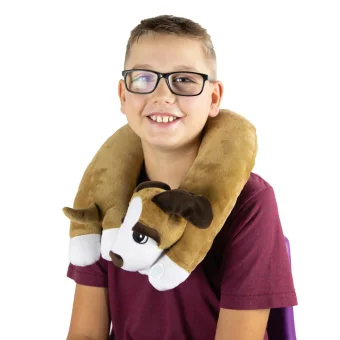
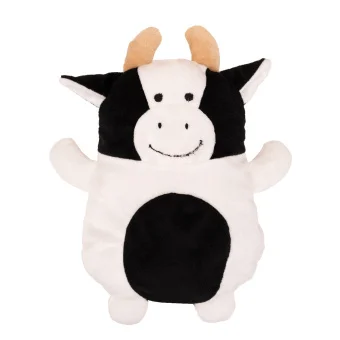
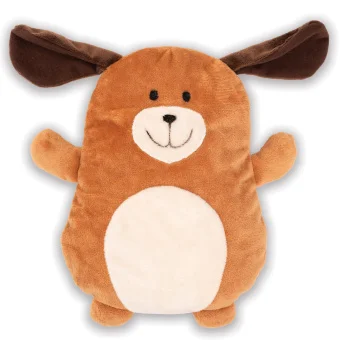
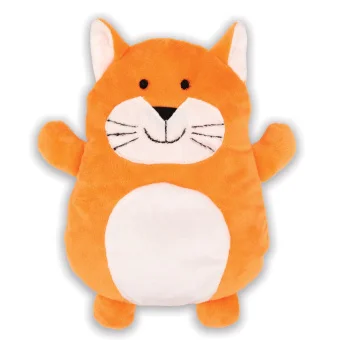
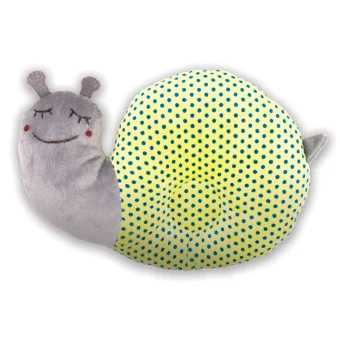
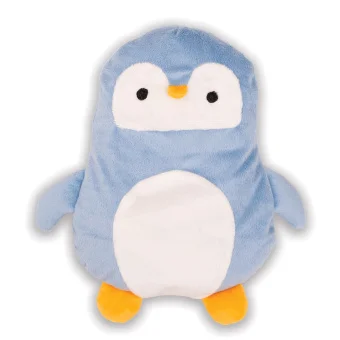
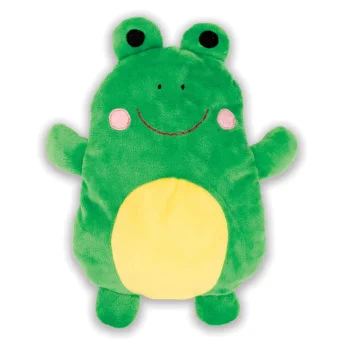
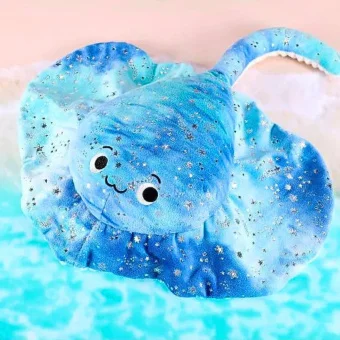
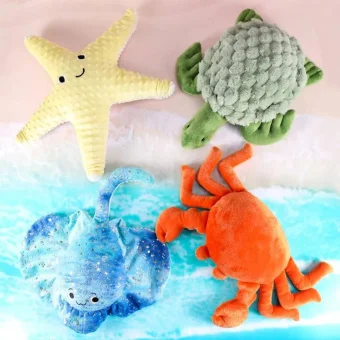
Introducing our cuddly plush animal toys – the ultimate companions for your little ones! Crafted with soft, huggable materials, these adorable critters provide endless comfort and joy. Say goodbye to lonely moments with our furry friends, designed to banish boredom and alleviate separation anxiety. Perfect for snuggles during bedtime or imaginative play sessions, these plush toys offer companionship and security, ensuring your child feels loved and content. Say hello to smiles and giggles with our irresistible plush animal toys!

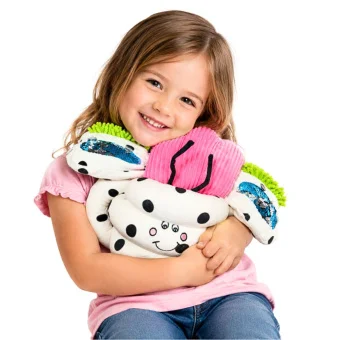
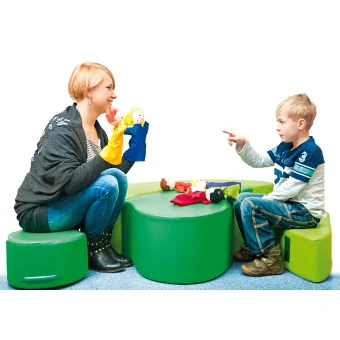
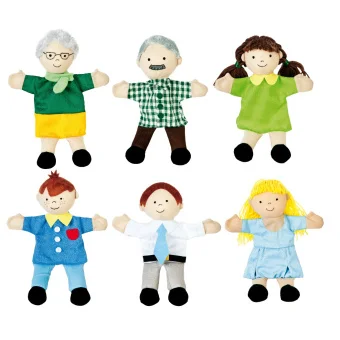
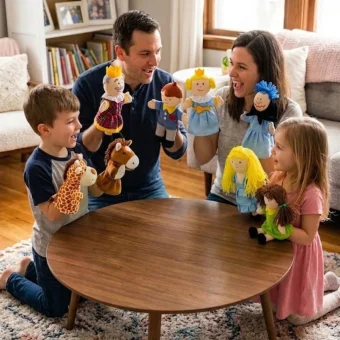
hand puppet

Introducing our delightful hand puppets, the ultimate tool for sparking imagination and joy in children! Crafted with vibrant colors and soft fabrics, these puppets transform storytelling into an interactive adventure. Say goodbye to boredom and hello to endless entertainment as kids express themselves through creative play. These puppets not only enhance communication skills but also offer a comforting companion during moments of solitude, making playtime an enriching experience for every child.
per page

Why Cuddle Toys?

Many children naturally seek comfort through touch, pressure, and familiar objects, especially during stressful, overwhelming, or transitional moments. Cuddle toys provide a simple and reassuring way to support emotional regulation while offering calming sensory input.

Whether used during quiet time, bedtime, emotional regulation breaks, or daily routines, cuddle toys can help children feel more secure and grounded. They are often incorporated into calming spaces because they offer sensory comfort without requiring active participation or complex interaction.

Playlearn offers cuddle toys selected to provide comfort, durability, and meaningful sensory support for children with a wide range of sensory preferences and regulation needs.

Choosing the Right Cuddle Toys

  • Comfort style soft plush comfort, supportive cushions, or deep-pressure sensory input
  • Sensory preference texture, weight, firmness, and tactile feel
  • Environment bedroom, classroom, calming corner, or therapy setting
  • Use case quiet time, emotional regulation, bedtime, or daily comfort routines
  • Options available including Cuddle Ball , Sensory Cushions , and Animal Plush Toys

Still Have Questions?

We’re here to help guide you to the right solution

Contact Us Schedule a Discovery Call
Cuddle Toys FAQ

Your questions about Cuddle Toys answered here:

How do cuddle toys help children regulate emotions?

Are cuddle toys only used during difficult moments?

What types of cuddle toys are most popular?

Can cuddle toys be used in classrooms and therapy settings?